
Menopause Treatment
Published: Last updated:
Menopause is a natural biological process indicating the end of a woman's reproductive period. Treatment options based on individual evaluation are available to manage menopausal symptoms and protect long-term health.

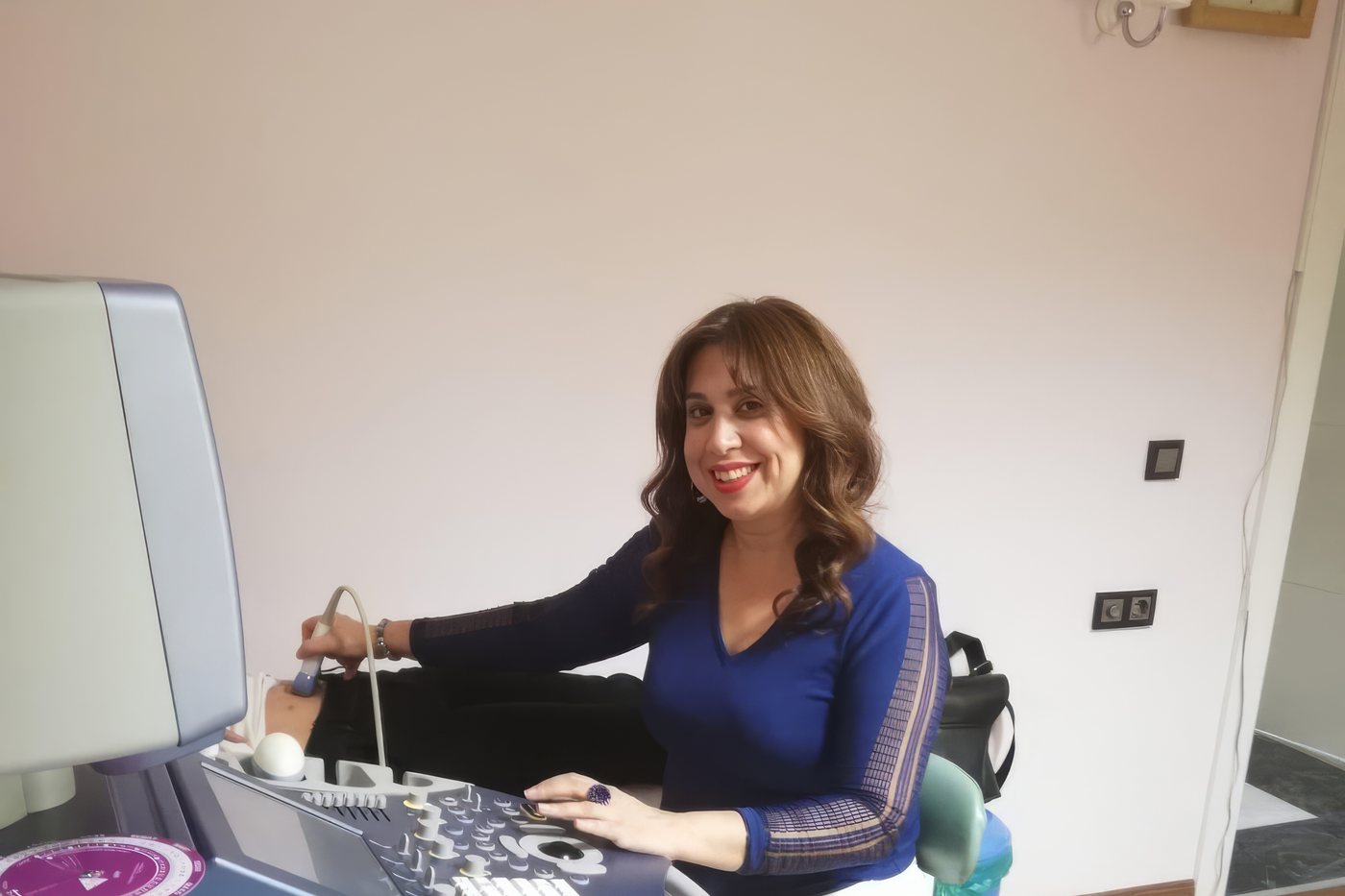
Prof. Dr. Melahat Atasever
Obstetrics & Gynecology · Ankara
{ AI · preliminary guidance }
onlineLet's talk about menopause
AI responses do not replace a medical diagnosis.
Menopause treatment is a management plan shaped according to your physician's individual evaluation in order to relieve symptoms such as hot flashes, sleep problems, and vaginal dryness, and to protect bone health.
What Is Menopause?
Menopause is formally defined as the point reached once 12 months have passed since a woman’s final menstrual period, marking the natural decline in ovarian hormone production. It is not an illness but a physiological life stage that every woman goes through.
The lead-up to menopause, known as perimenopause, typically unfolds over several years and often makes itself known through irregular periods and a range of symptoms. Once menopause has occurred, the phase that follows is referred to as postmenopause.
Perimenopause and Menopause Symptoms
Every woman moves through the menopause transition differently. Symptoms that are frequently reported include:
Vasomotor symptoms:
- Hot flashes (a sudden sensation of a heat wave)
- Night sweats and sleep disturbances
Urogenital symptoms:
- Vaginal dryness and irritation
- Pain during sexual intercourse (dyspareunia)
- Frequent urination or urinary incontinence
Psychological and cognitive symptoms:
- Mood changes, irritability, anxiety
- Difficulty concentrating, forgetfulness
- Low energy
Physical changes:
- Skin dryness and loss of elasticity
- Hair thinning
- Joint pain
- Weight changes
Treatment Options
In Prof. Dr. Melahat Atasever’s Ankara practice, managing menopause is never one-size-fits-all; the approach depends on how pronounced the symptoms are, the woman’s overall health history, and her personal preferences. The main options are outlined below:
Hormone Replacement Therapy (HRT): Medication containing estrogen and progesterone can be particularly helpful in easing vasomotor symptoms. When the uterus has not been removed, progesterone must be combined with estrogen. Whether HRT is beneficial and appropriate is assessed individually by your physician.
Non-hormonal medication options: For hot flashes, certain antidepressants, antiepileptic medications, and other alternatives may be considered.
Local treatments: Vaginal dryness and other urogenital symptoms may respond to low-dose local applications, such as vaginal estrogen cream, tablets, or a ring.
Lifestyle adjustments:
- A balanced diet with attention to adequate calcium and vitamin D
- Regular physical activity (supporting bone density and cardiovascular health)
- Limiting alcohol intake and avoiding smoking
- Techniques for managing stress
Long-Term Health Risks and Follow-Up
Certain health risks may shift after menopause, which is why ongoing follow-up matters:
Bone health (Osteoporosis): Bone density screening (DEXA), calcium and vitamin D supplementation, and medication when needed.
Cardiovascular health: Regular monitoring of cholesterol, blood pressure, and blood sugar, along with healthy lifestyle guidance.
Gynecological check-ups: Yearly examinations, cervical screening, and mammography where indicated.
Talk to Your Physician
If menopausal symptoms are interfering with your daily life, or if any aspect of this transition concerns you, speaking with your physician is recommended. Since every woman’s experience differs considerably, the most appropriate approach can only be identified through an individual assessment.
Open communication between doctor and patient remains central to making this transition as smooth and manageable as possible.
Frequently Asked Questions
At what age does menopause begin?
Although the average age of menopause varies between 45 and 55, individual differences exist. Cessation of menstruation before the age of 40 is evaluated as 'early menopause' or 'premature ovarian insufficiency' and requires specialist follow-up.
What are the symptoms of menopause?
Hot flashes, night sweats, sleep disturbances, mood changes, vaginal dryness, changes in sexual interest, joint pain, and difficulty concentrating are commonly seen symptoms. Every woman's experience is different.
What is hormone therapy (HRT)?
It is a medication treatment given to support the estrogen and progesterone that decrease during menopause. It has been shown to be effective in managing symptoms and protecting bone health. However, it may not be suitable for every woman; your physician makes an individual risk-benefit assessment.
Is hormone therapy safe?
The benefits and risks of HRT vary from woman to woman. Age, health history, family history, and the type of treatment used are taken into consideration. Your physician will explain the most suitable option for you.
Is there an option if I do not want to take hormone therapy?
Yes. Alternatives such as non-hormonal medications, phytoestrogens, lifestyle adjustments, psychological support, and counseling on herbal supplements are available. It is recommended that you evaluate these options with your physician.
Why does bone loss increase during menopause?
Estrogen plays an important role in maintaining bone density. As estrogen levels fall, bone loss may accelerate. Calcium, vitamin D, regular exercise, and medication treatment when necessary support bone health.
Is it necessary to pay attention to heart health during menopause?
Yes. As the cardioprotective effects of estrogen decrease, the risk of cardiovascular disease changes. Regular check-ups, healthy nutrition, and exercise become even more important during this period.




Book an Appointment
Your information reaches Prof. Dr. Melahat Atasever's clinic. A response is made within 24 hours.