
Ovulation Tracking
Published: Last updated:
Ovulation tracking is the process of determining the most fertile period for conception by monitoring the development of follicles in a woman's ovary and ovulation itself, using transvaginal ultrasound and hormone measurements.

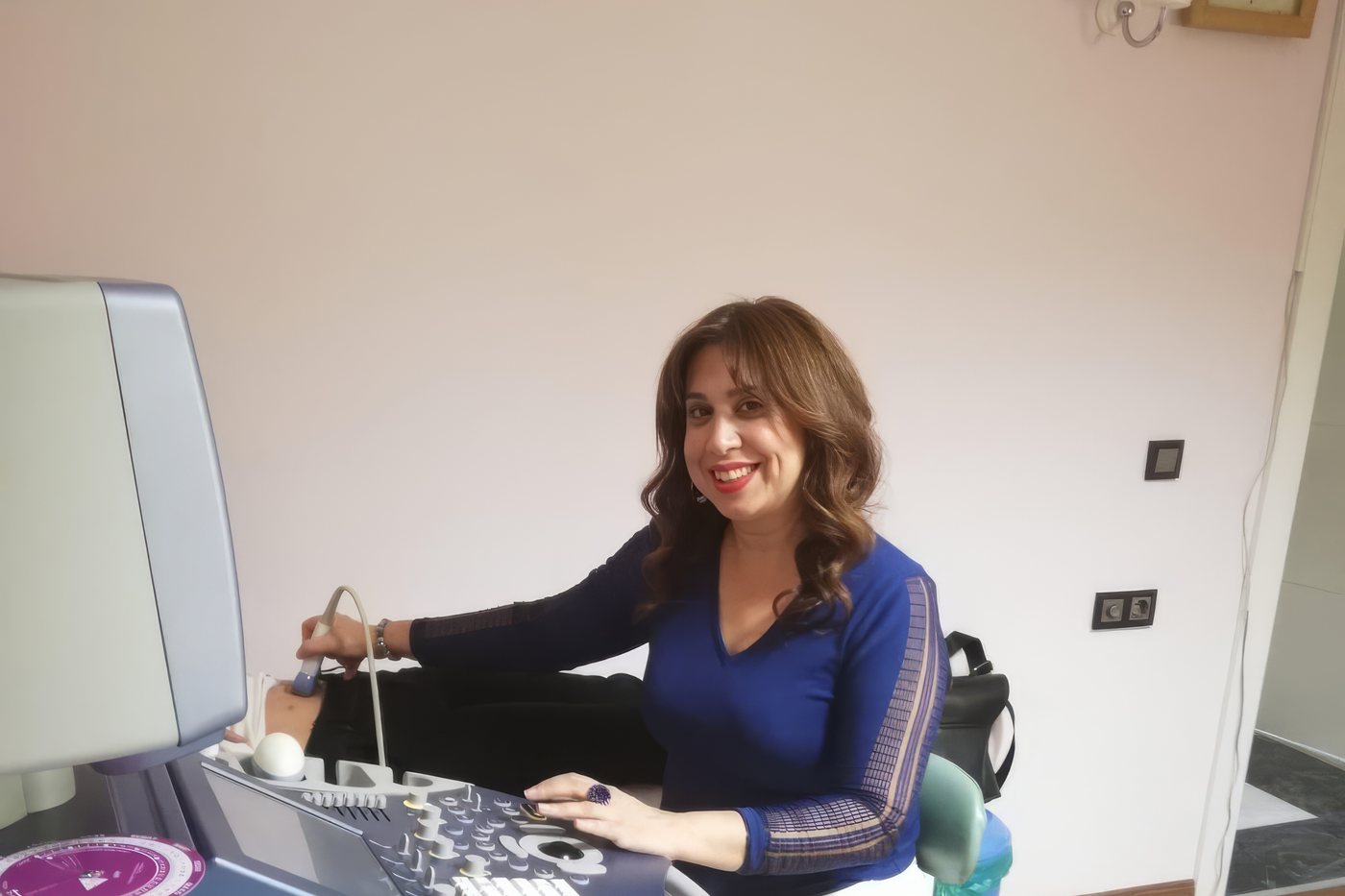
Prof. Dr. Melahat Atasever
Obstetrics & Gynecology · Ankara
▶ Polikistik Over Sendromu (PCOS) Nasıl Tedavi Edilir? Güncel Yaklaşımlar
{ AI · preliminary guidance }
onlineLet's talk about fertility
AI responses do not replace a medical diagnosis.
Ovulation tracking is a method in which follicle development and ovulation are monitored with transvaginal ultrasound and hormone measurements, allowing the most fertile period for conception to be determined. It is an important step for couples having difficulty conceiving and in ovulation induction treatment.
Ovulation Tracking: Identifying the Fertility Window and Supporting Pregnancy
Ovulation tracking is the process of precisely determining the most fertile period for conception by monitoring the development of follicles in a woman’s ovary and ovulation itself, using transvaginal ultrasound and hormone measurements. It is an indispensable step for couples having difficulty conceiving, for women with irregular periods, and in ovulation induction treatment.
What Is Ovulation?
Ovulation is the event in which the dominant follicle, triggered by the LH (luteinizing hormone) surge, releases the mature egg (oocyte). Assuming a regular 28-day cycle, ovulation occurs at approximately day 14; however, this timing varies considerably from person to person. The released egg retains its ability to be fertilized for 12-24 hours, while sperm can remain viable in the female genital tract for 3-5 days. This asymmetry shows that the fertile window also covers the few days before ovulation.
Ovulation disorders are the underlying cause in approximately twenty percent of infertility cases. PCOS (polycystic ovary syndrome), hyperprolactinemia, thyroid diseases, hypothalamic dysfunction, and excessively low body weight can negatively affect ovulation. In this group, ovulation induction and tracking are placed at the center of treatment.
Why Is Ovulation Tracking Important?
The importance of ovulation tracking lies in two fundamental points: confirming whether ovulation is actually taking place and ensuring that the most fertile intercourse — or IUI (insemination) — is scheduled for the most accurate day. In women with irregular periods, ovulation may not occur in every cycle, even if monthly bleeding is seen. Without tracking, couples may have timed intercourse on the wrong days.
In women with PCOS, knowing whether follicles are developing and maturing, and whether a single follicle or multiple follicles are forming, provides critical information both for supporting the likelihood of pregnancy and for preventing complications such as multiple pregnancy and OHSS (ovarian hyperstimulation syndrome).
Who Can Benefit from Ovulation Tracking?
Ovulation tracking is recommended in the following situations:
- Couples who have not been able to conceive despite more than 6 months of regular, unprotected intercourse
- Women with irregular or long menstrual cycles
- Those diagnosed with PCOS
- Women with a history of recurrent miscarriage
- Those for whom IUI (intrauterine insemination) is planned
- Those starting ovulation induction treatment
- Timed intercourse planning for couples wishing to conceive naturally
Ovulation induction is mandatory in selected cases and is an integral part of the treatment protocol.
How Is Ovulation Tracking Performed?
Follicle Tracking with Ultrasound
Transvaginal ultrasound is the gold-standard method of ovulation tracking. A baseline assessment is performed on day 2-3 of the cycle; the antral follicle count (AFC), ovarian reserve, and baseline hormone values (FSH, LH, E2, AMH) are evaluated.
If medication has been prescribed, treatment usually starts on day 5 of the menstrual cycle, and follicle size is monitored with ultrasound on days 8-10. When the follicle reaches a diameter of 18-22 mm, it is considered mature for ovulation. At each examination, the thickness of the endometrium (the inner lining of the uterus) is also assessed.
Hormone Measurements
- Estradiol (E2): Indicates the maturity of the follicle and endometrial readiness.
- LH surge: When detected in the blood, it signals that ovulation will occur within 24-36 hours.
- Progesterone: Provides information about the adequacy of the luteal phase after ovulation.
LH (Ovulation) Test
Test kits that measure the LH level in urine are available for home use. A positive result indicates that ovulation will occur within approximately 14-26 hours. However, in clinical-level monitoring, ultrasound and blood measurements need to be evaluated together; a home test alone is not sufficient.
Ovulation Induction: Which Medications Are Used?
Ovulation induction is applied in cases where an ovulation disorder is identified. The most frequently used medications are clomiphene citrate and aromatase inhibitors (letrozole). These drugs support follicle development by stimulating FSH release.
In situations requiring a stronger response, gonadotropins such as recombinant FSH and hMG are used. When the follicle reaches a mature size, ovulation is triggered with an hCG injection; timed intercourse or IUI is planned for approximately 34-36 hours later.
The choice of medication is individualized according to the patient’s age, AMH value, ovarian reserve, the presence of PCOS, and the response to previous treatment.
How Many Days After the Period Ends Does Ovulation Occur?
In a standard 28-day cycle, ovulation is expected approximately 10-12 days after the end of the period, that is, on days 13-15 of the cycle. However, in women with regular cycles in the 21-35 day range, this timing can vary from person to person.
In very short (less than 21 days) or very long (more than 35 days) cycles, estimating the time of ovulation becomes difficult. Ultrasound monitoring is particularly valuable in this group. Basal body temperature measurement and LH tests can also be guiding.
How Many Days Does Ovulation Tracking Take?
Monitoring begins on the second or third day of the menstrual cycle and continues with check-ups every 2-4 days for an average of 8-12 days until ovulation occurs. When the follicle grows rapidly, the interval between check-ups may be shortened.
Each examination is completed with transvaginal ultrasound in approximately 10-15 minutes; it does not require anesthesia or special preparation.
How Can You Tell Whether Ovulation Has Occurred?
The most reliable indicator of ovulation is seeing on ultrasound that the dominant follicle has ruptured. The follicle, which was prominent beforehand, disappears after ovulation and is replaced by the corpus luteum.
A progesterone value above 10 ng/mL, measured approximately 7 days after ovulation, is considered a finding supporting the luteal phase. If the LH test comes back positive, ovulation is expected within approximately 24-36 hours.
Risks and Side Effects of Ovulation Induction
With the use of clomiphene citrate, hot flashes, headache, and mild mood changes may be seen. In gonadotropin treatments, the most important risk is OHSS (ovarian hyperstimulation syndrome), and careful monitoring is required, especially in women with PCOS.
The development of multiple follicles can increase the risk of multiple pregnancy. For this reason, the number and size of follicles are monitored meticulously; when a large number of follicles develop, the treatment cycle may in some cases be cancelled.
Frequently Asked Questions
How many days does ovulation tracking take?
Monitoring, which begins on day 2-3 of the menstrual cycle, lasts on average 8-12 days until ovulation occurs. During this process, a check-up is usually performed every 2-4 days.
When is intercourse recommended after the hCG injection?
Intercourse is generally recommended within 24-48 hours after the hCG injection. If IUI (insemination) is planned, the procedure is usually scheduled for 36-40 hours afterward.
Does ovulation induction definitely result in pregnancy?
No. Ovulation induction does not provide any assurance of pregnancy; however, correctly determining the timing of ovulation can contribute to the likelihood of pregnancy.
Do the medications cause weight gain?
Clomiphene citrate may cause a mild feeling of bloating in some individuals; this is usually temporary. In gonadotropin treatments, if OHSS (ovarian hyperstimulation syndrome) develops, abdominal bloating may be more pronounced.
Does ovulation induction work in PCOS?
Yes. The majority of women with PCOS (polycystic ovary syndrome) can achieve ovulation with appropriate drug treatment, and pregnancy can be obtained.
I have a single follicle — is that enough?
For natural pregnancy, a single mature follicle is usually sufficient. In IVF treatment, however, a larger number of mature follicles is preferred.
My periods are irregular — can tracking still be done?
Yes. In irregular menstrual cycles, ovulation tracking with ultrasound is one of the most reliable methods. Calendar-based calculation may not always give accurate results in these individuals.
Is an ovulation test (LH test) sufficient on its own?
Home LH test kits can provide guiding information; however, in clinical evaluation, it is recommended that they be interpreted together with ultrasound and blood hormone measurements.




Book an Appointment
Your information reaches Prof. Dr. Melahat Atasever's clinic. A response is made within 24 hours.